

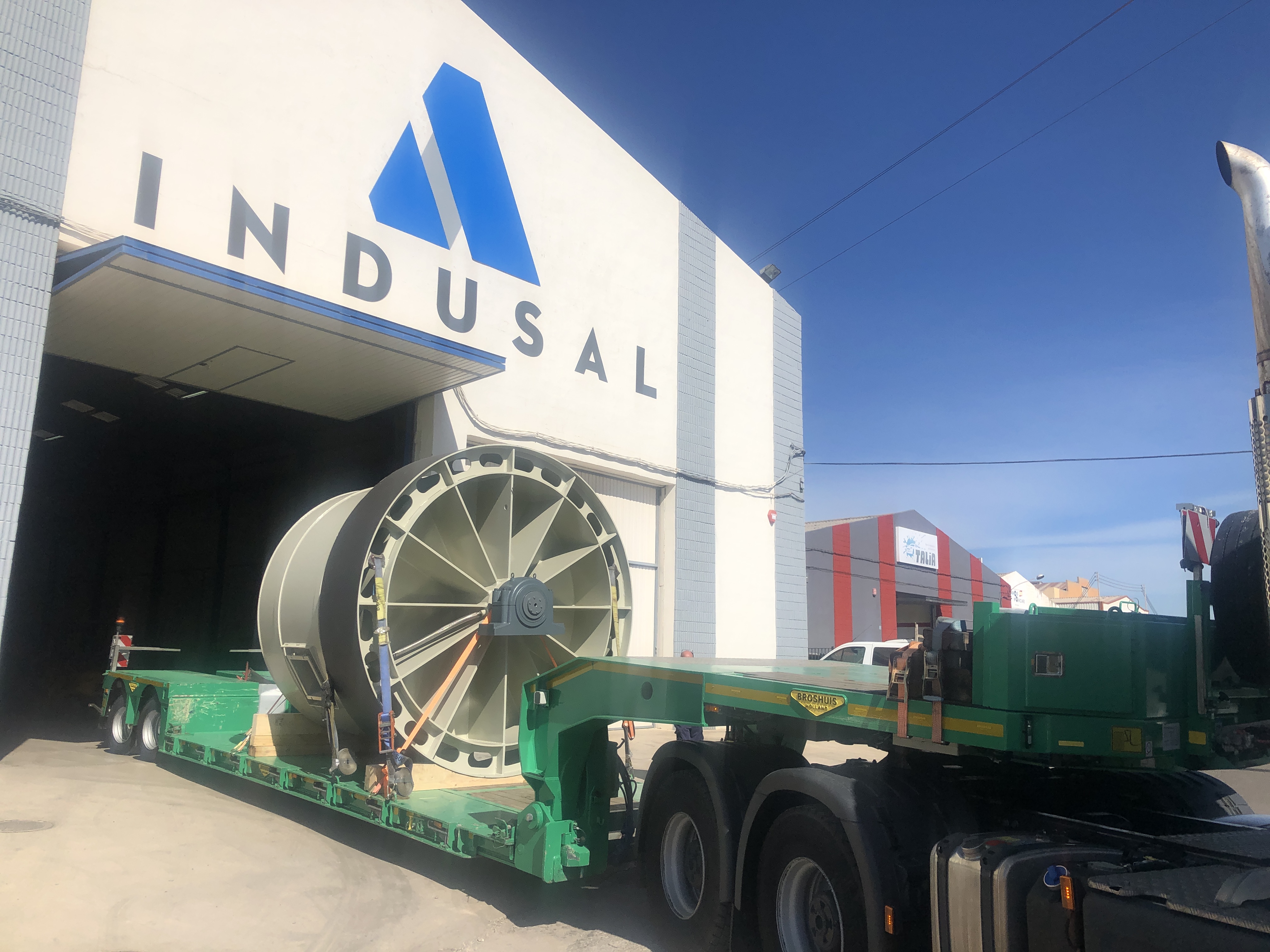
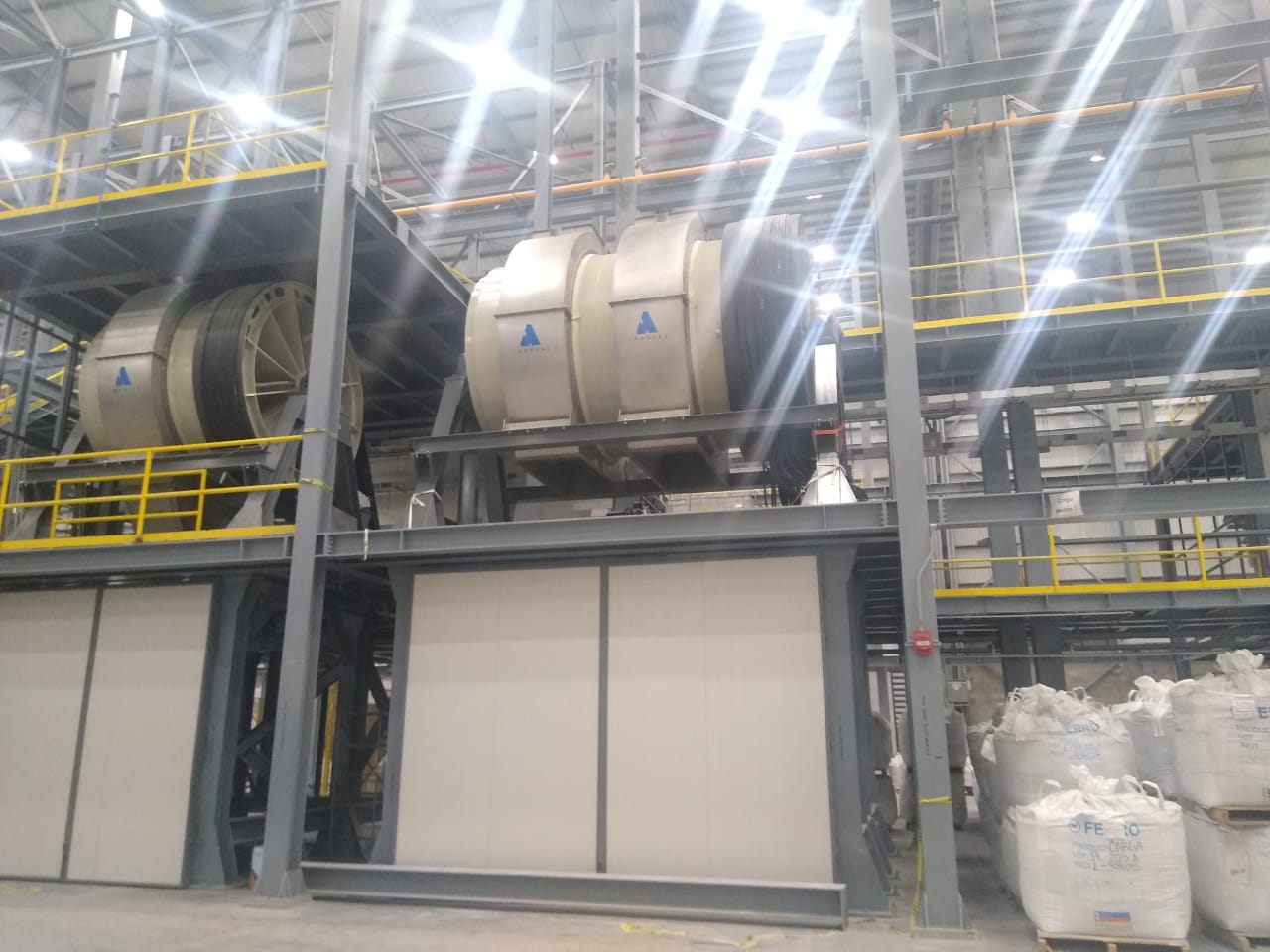

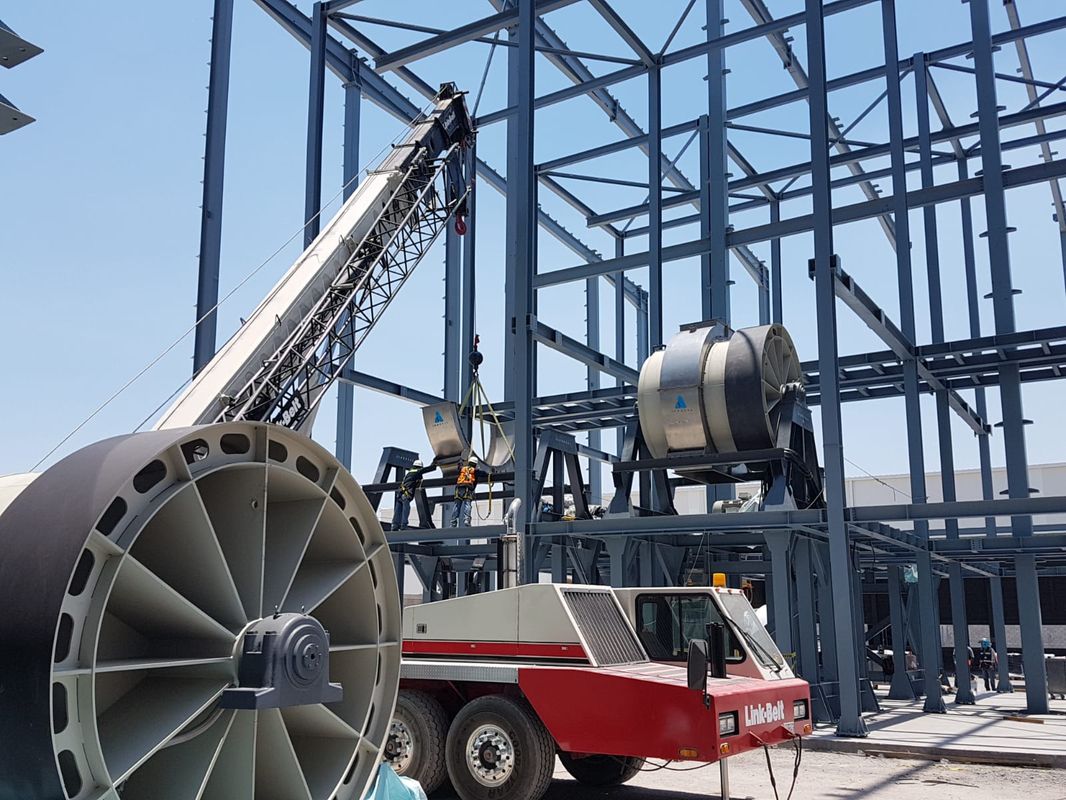
Mills
Wet Grinding Mills
The design of these machines allows the grinding of a wide range of raw materials in the fields of mineralogy, pastes, ceramics, enamels, and certain types of varnishes, achieving optimal particle size distribution and a homogeneous product.
Dry Grinding Mills
Dry-process ball mills include a casing that encloses the mill for material discharge.
This casing has rubber seals that close against the mill cylinder to prevent material loss.
Material discharge can be carried out through a screw conveyor unloading into a big bag or by placing the big bag directly under the hopper.
Continuous Dry Grinding Mills
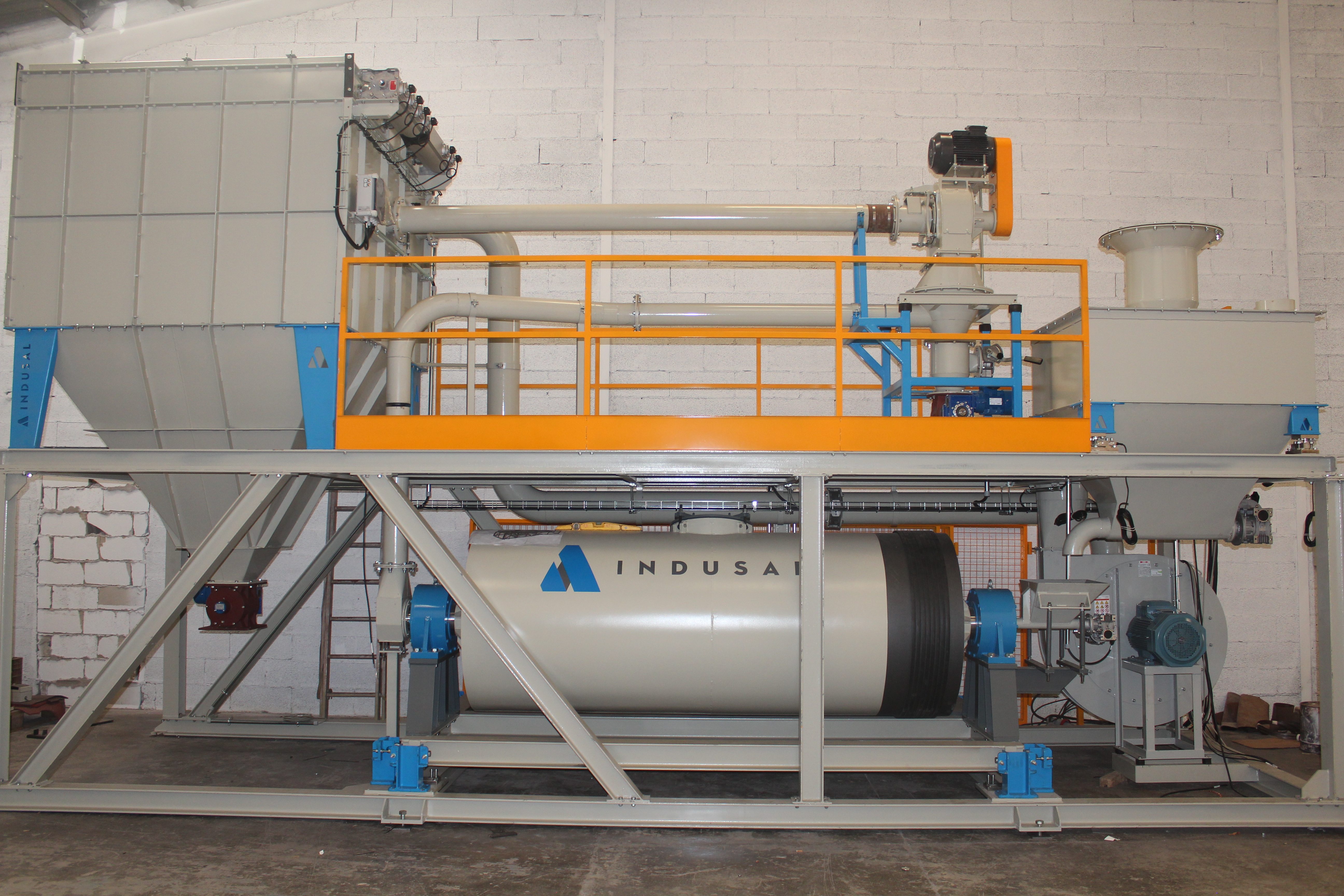
Continuous grinding installations are designed for milling abrasive products such as silica sand, quartz, feldspars, zirconium, etc.
It is a continuous process composed of:
- Ball mill
- Feeding system (hoppers and screw conveyors)
- Classifier
- Cyclone
- Bag filter
The mill operates with silex, rubber, or alumina linings depending on the material to be ground.
It can be driven either by belts or by a ring gear, depending on the mill’s size.
The classifier is designed to achieve the desired product fineness at any given time.
Transmissions
Tandem-type transmissions, mounted on a base frame for easy alignment.
- Parallel-shaft reducer.
- Pneumatic brake for mill positioning.
- Foot-mounted motor with power according to mill dimensions.
- V-belts.